

The four-element system in Western magic comes from Greek natural philosophy via Empedocles (5th century BCE) and was woven into ritual practice through Hermetic and Renaissance lineages. By the time the Golden Dawn formalised it in the late 19th century, every element had a direction, a tarot suit, a ritual tool, an archangel, and a kind of work it specialises in. Practitioners do not have to believe the cosmology. The system is useful because it gives spells a framing — what kind of change am I trying to make.
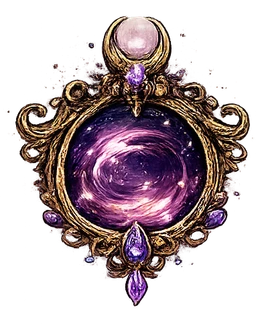
Air. East. Suit of Swords. Tool: dagger or wand (lineages disagree). The work of Air is clarity, decision, communication, contracts, language — anything that wants the mind to cut clean. When a spell needs the right words or a verdict, work with Air: incense, breath, written words, bell. Air spells fail when the practitioner has not yet decided what they actually want; the element refuses ambiguity.
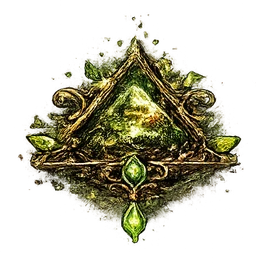
Earth. North. Suit of Pentacles. Tool: pentacle disc, salt, stone. The work of Earth is grounding, money, body, home, fertility — anything that wants to take physical form and stay there. Earth is slower than the other elements; spells often look like nothing for weeks, then quietly finish. Bury, plant, carry. Earth refuses speed and distrusts performance.
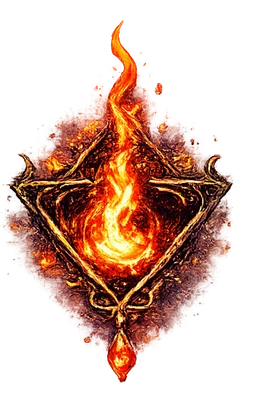
Fire. South. Suit of Wands. Tool: wand or candle. The work of Fire is will, ambition, courage, banishing, sexual energy, transformation. Fire is the element of action — it does not contemplate. Candle spells are the most accessible Fire workings. The element fails practitioners who keep the candle burning while staying neutral; Fire wants intensity and gives back what it gets.
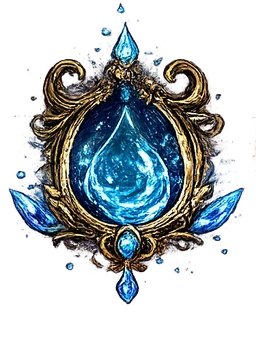
Water. West. Suit of Cups. Tool: chalice or bowl. The work of Water is emotion, dream, intuition, healing, love, grief — anything that needs the heart to soften before it can move. Water spells often involve washing, soaking, mirror scrying, moon water. The element rejects practitioners who try to bypass feeling; you cannot do effective Water work while emotionally numb.
The fifth element, Spirit (or Aether), is what holds the four together. It is not a fifth direction but the centre — the practitioner standing at the crossroads of the four. Most ritual openings call all four quarters precisely so the Spirit-centre is grounded by the periphery before any working begins.
A practical rule from old grimoires: name the element before you choose the tool. Asking what kind of change is this (clarity, body, will, feeling) tells you which corner of the room to face. The tool follows the corner.